
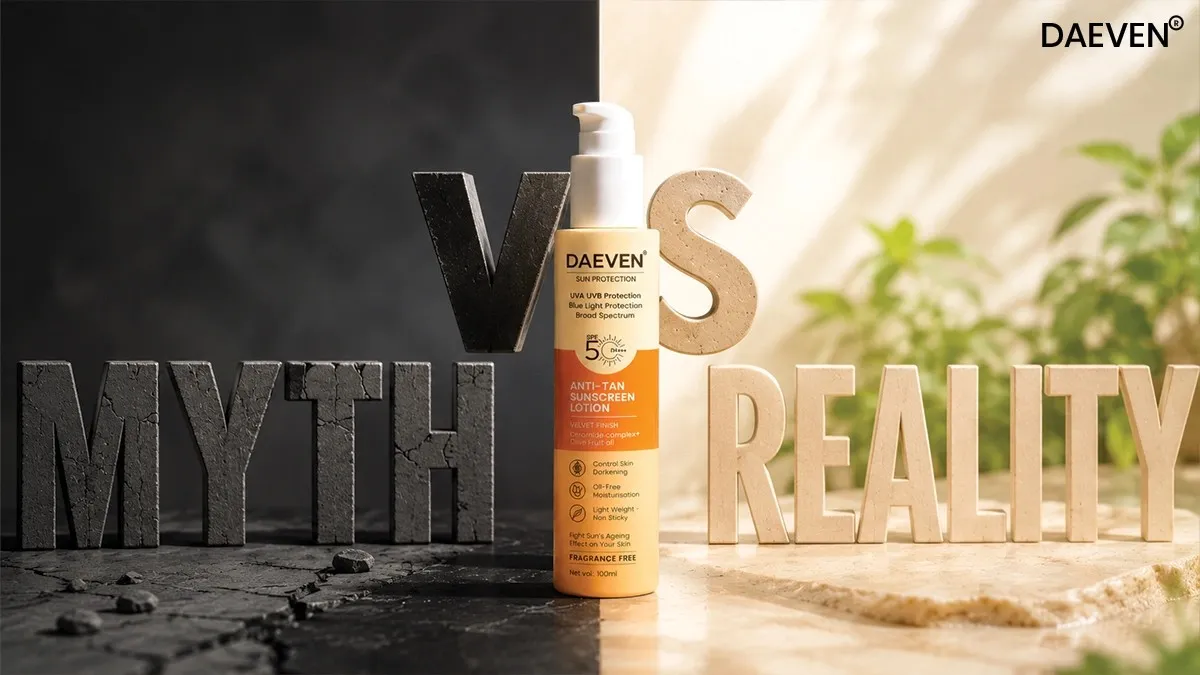
The Truth About “Chemical Free Sunscreen in India”: If you’ve searched for the best sunscreen in India, you’ve definitely seen terms like:
- “Chemical-free sunscreen”
- “Natural sunscreen India”
- “Toxin-free skincare”
These phrases are everywhere—but here’s the reality:
No sunscreen is 100% chemical-free.
Everything—from water to aloe vera—is a chemical.
So why is “chemical free sunscreen in India” such a popular keyword?
Because people are actually looking for:
- Safe sunscreen
- Non-toxic ingredients
- Skin-friendly formulations
This article will break down the myth vs reality of chemical free sunscreen, so you can make a smart, informed choice—and avoid falling for marketing gimmicks.
Table of Contents
What Does “Chemical-Free Sunscreen” Really Mean?
The Myth:
A sunscreen with zero chemicals exists.
This is scientifically incorrect.
The Reality:
“Chemical-free sunscreen” usually means:
- Free from harmful or controversial ingredients
- Gentle on skin
- Safe for daily use
In most cases, this refers to:
- Mineral sunscreen
- Clean skincare formulations
Types of Sunscreen in India
Mineral Sunscreen (Physical Sunscreen)
Uses:
- Zinc Oxide
- Titanium Dioxide
Often marketed as “chemical-free sunscreen”
Sits on skin
Reflects UV rays
Safe for sensitive skin
Chemical Sunscreen
Uses:
- Avobenzone
- Octinoxate
- Oxybenzone
Absorbs UV rays
Lightweight
No white cast
Why People Search for “Chemical Free Sunscreen India”
Search intent behind this keyword:
- Fear of harmful ingredients
- Skin sensitivity issues
- Desire for natural skincare
- Trust concerns
People don’t want “chemical-free”—
they want safe and effective sunscreen.
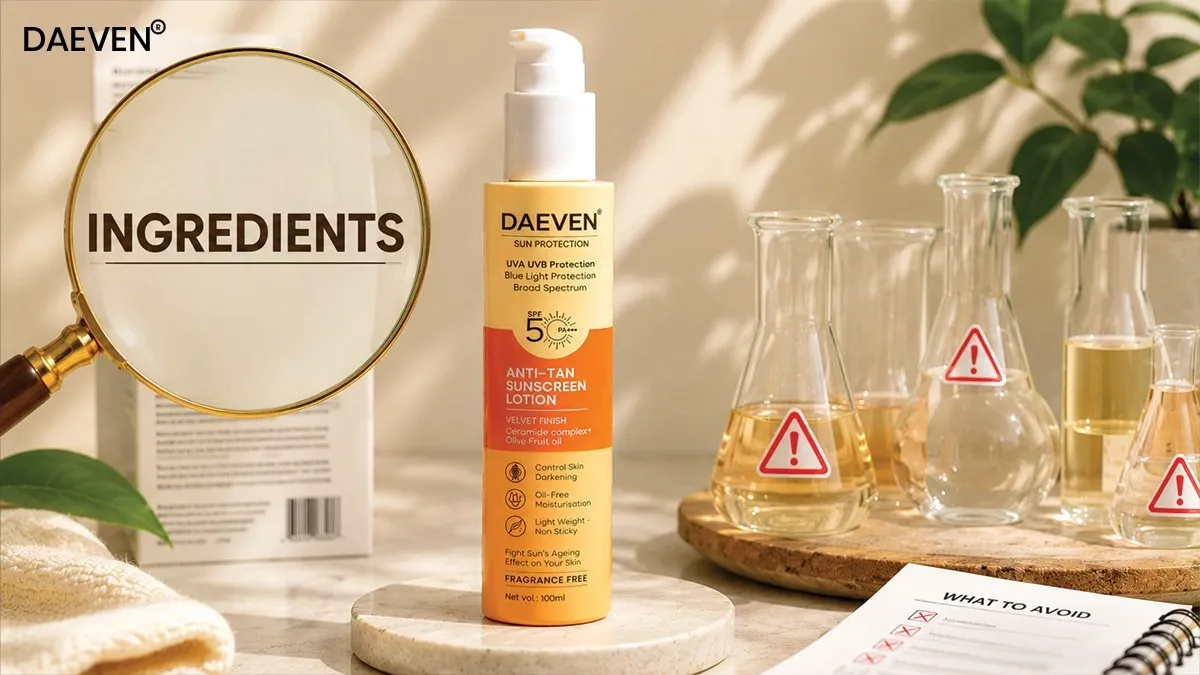
Ingredients to Avoid in Sunscreen
Potentially Harmful Ingredients
- Oxybenzone
- Parabens
- Artificial fragrance
- Octinoxate
These may cause:
- Irritation
- Hormonal concerns (debated)
- Allergies
Ingredients to Look for Instead
Safe & Skin-Friendly Ingredients
- Zinc Oxide
- Titanium Dioxide
- Niacinamide
- Aloe Vera
- Vitamin E
These support:
- Skin protection
- Hydration
- Barrier repair
The Biggest Problem with “Chemical-Free Sunscreen” Claims
White Cast Issue
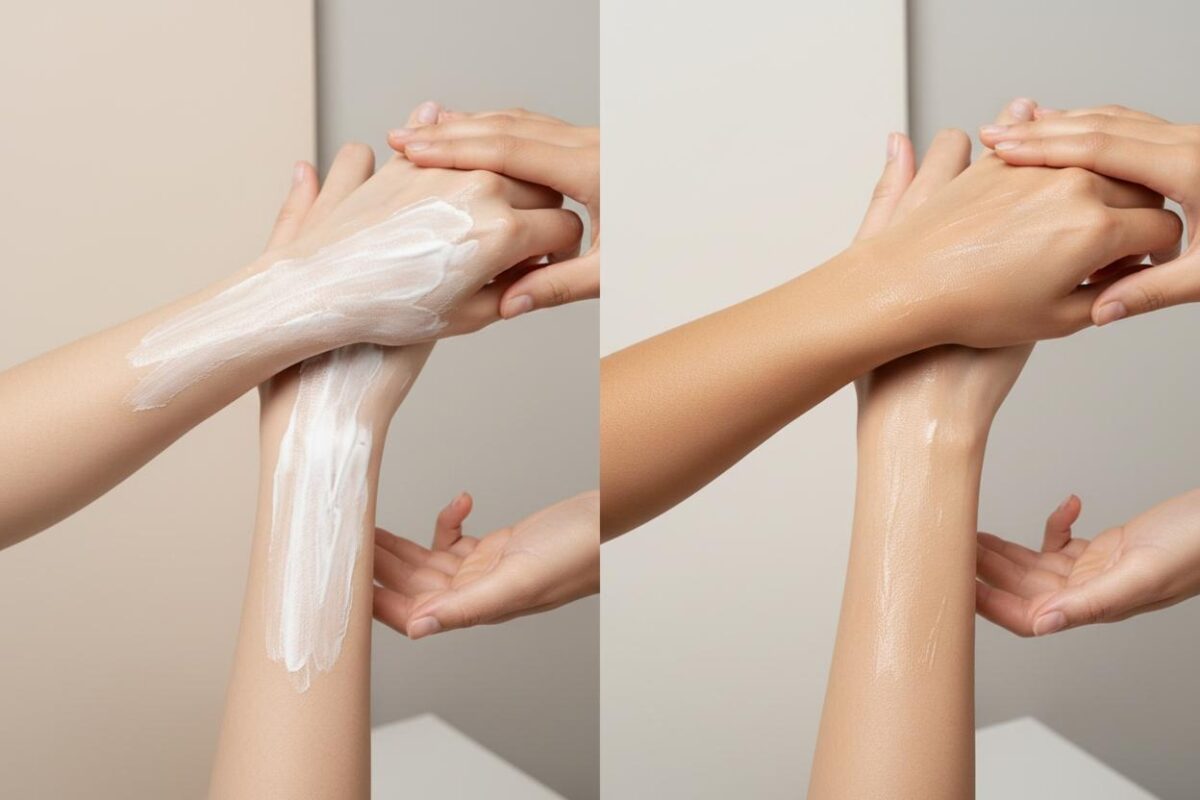
Mineral sunscreens often leave a white layer—especially on Indian skin tones.
Heavy Texture
Many “natural sunscreens” feel:
- Thick
- Sticky
- Uncomfortable in humidity
Poor Daily Usability
If it doesn’t feel good, you won’t use it daily.
And consistency matters more than labels.
What Actually Works in Indian Conditions
India has:
- High UV exposure
- Humidity
- Pollution
So your sunscreen must be:
Lightweight
Effective (SPF 50)
Comfortable for daily use
Safe for skin
The Smart Choice: Balanced Sunscreen
Instead of focusing on “chemical-free,” focus on:
Safe + Effective + Comfortable sunscreen
Modern formulations combine:
- Protection
- Skin safety
- Daily usability
How to Choose a Safe Sunscreen in India
Step 1: Look for SPF 50
Search keyword: SPF 50 sunscreen India
Step 2: Check Broad Spectrum Protection
Protects against UVA + UVB
Step 3: Avoid Harmful Ingredients
Look for clean formulations
Step 4: Choose Lightweight Texture
Especially important for Indian weather
Step 5: Match Your Skin Type
- Oily skin – gel sunscreen
- Dry skin – cream sunscreen
- Sensitive skin – gentle formulation
Common Myths About Chemical-Free Sunscreen
Myth 1: Chemical sunscreen is harmful
Reality: Not all chemical sunscreens are harmful
Myth 2: Mineral sunscreen is always better
Reality: It depends on your skin type
Myth 3: Natural sunscreen is enough
Reality: Without SPF 50, protection is incomplete
Why Most People Choose the Wrong Sunscreen
- Following trends instead of facts
- Ignoring skin type
- Falling for marketing buzzwords
Result:
- Breakouts
- Ineffective protection
- Skipped usage
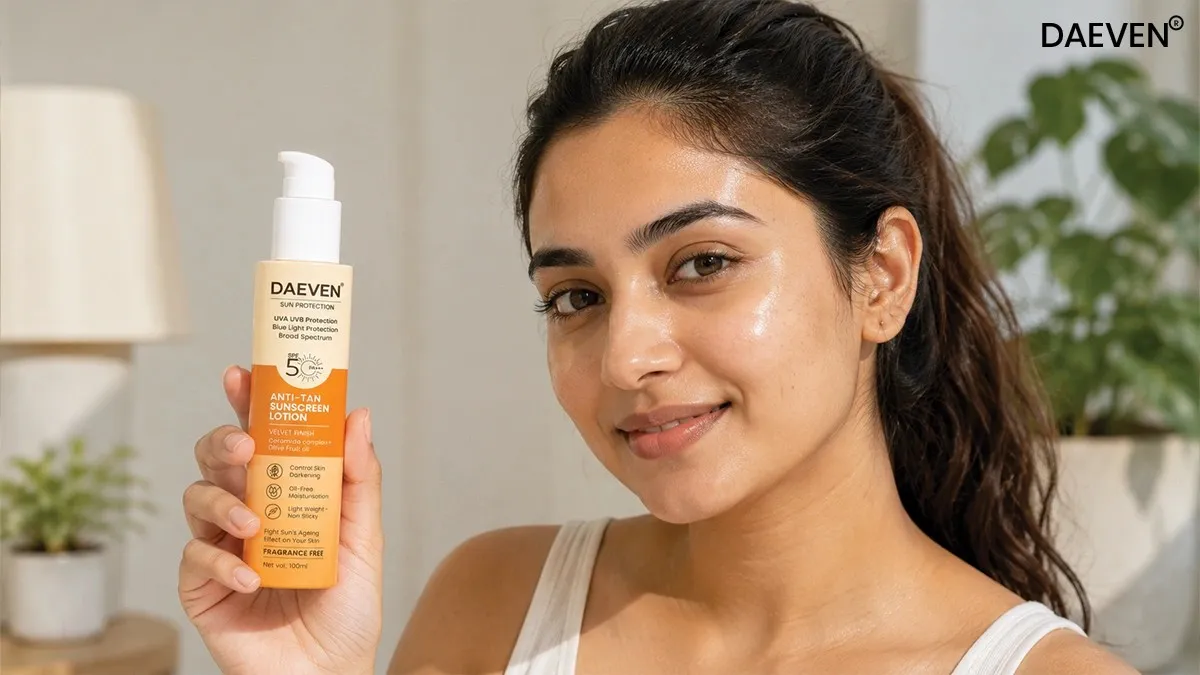
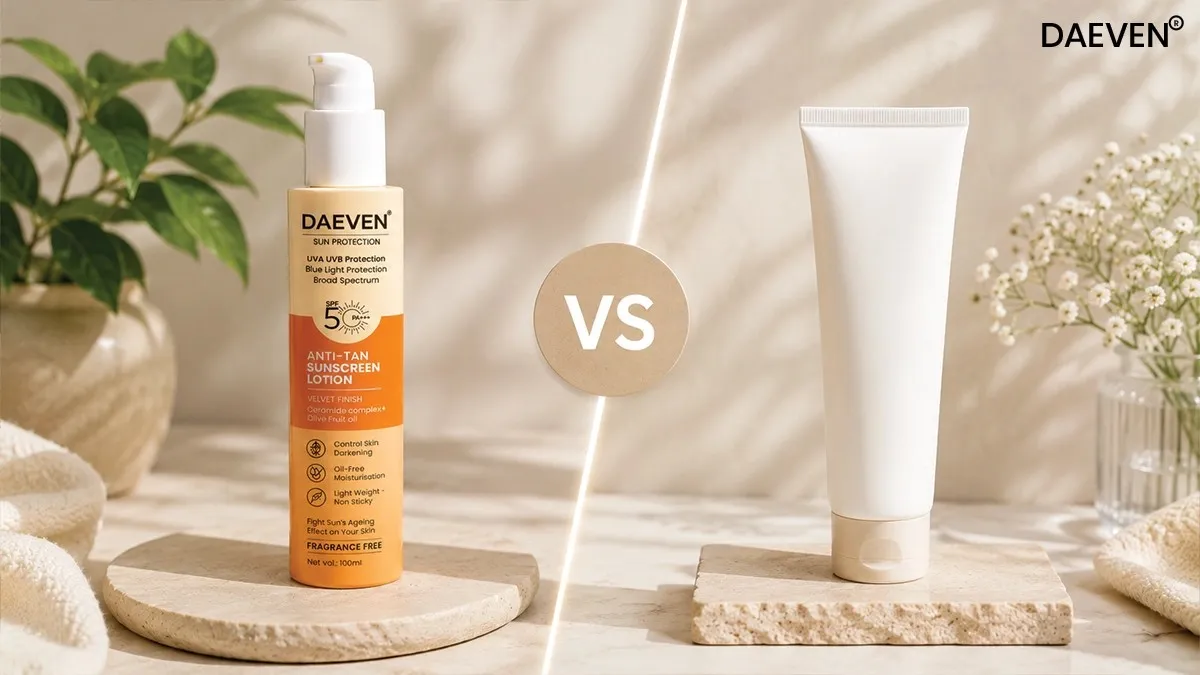
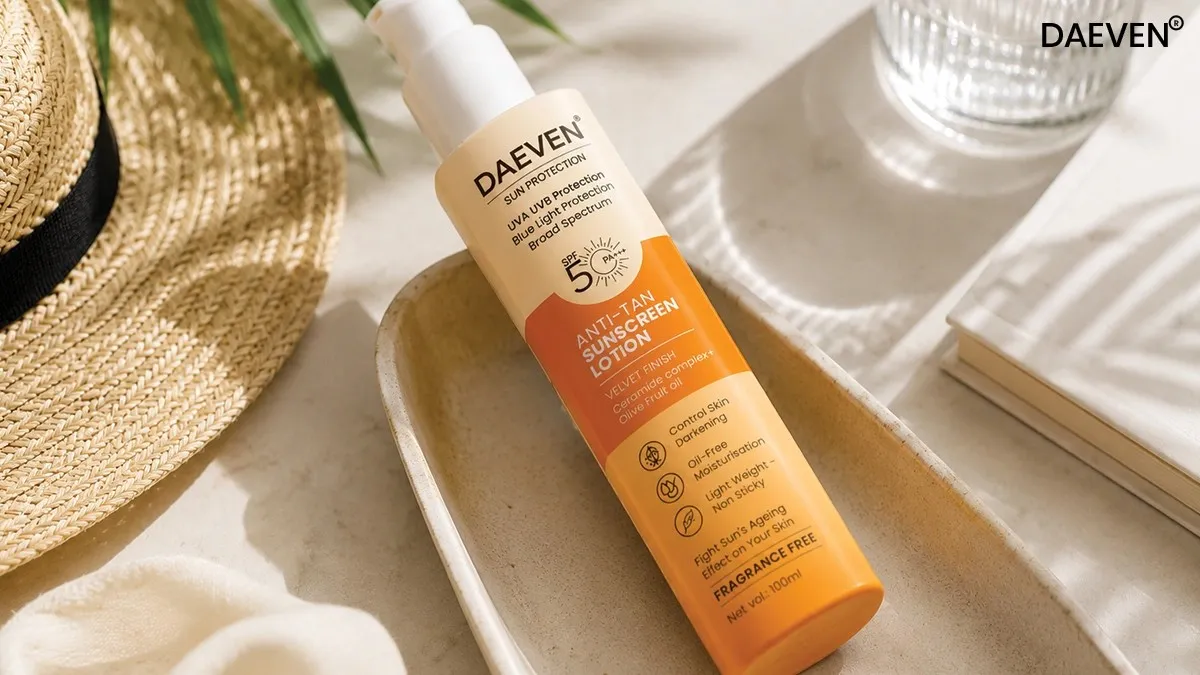
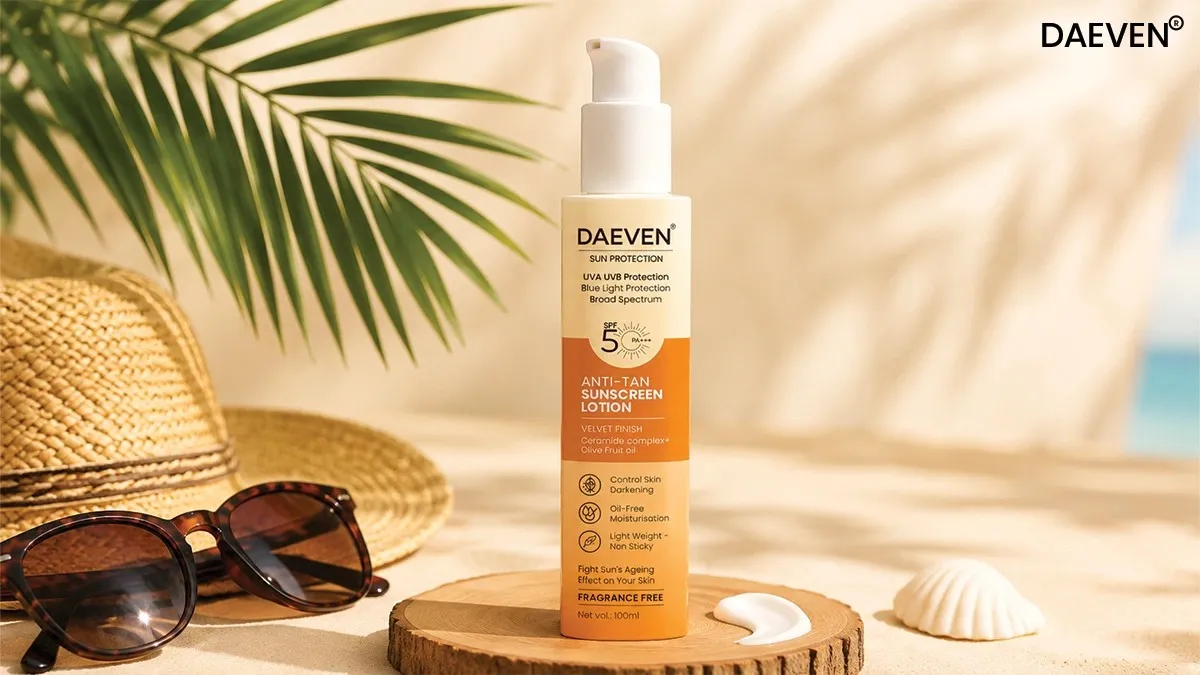
Why DAEVEN Sunscreen is the Right Choice
If you’re searching for a chemical-free sunscreen in India, what you actually need is:
A safe, high-performance sunscreen built for Indian skin.
What Makes DAEVEN Different?
SPF 50+++ broad spectrum protection
Lightweight, non-greasy texture
No heavy white cast
Skin-friendly ingredients
Suitable for all skin types
Real Benefits You’ll Experience
- Comfortable daily wear
- No sticky feeling
- No visible residue
- Effective sun protection
This is what users truly want when they search:
“best chemical free sunscreen India”
Don’t Fall for Myths — Choose Smart Skincare
If you’ve been confused by:
- “Chemical-free” labels
- Overhyped claims
- Ineffective sunscreens
It’s time to switch to something that actually works.
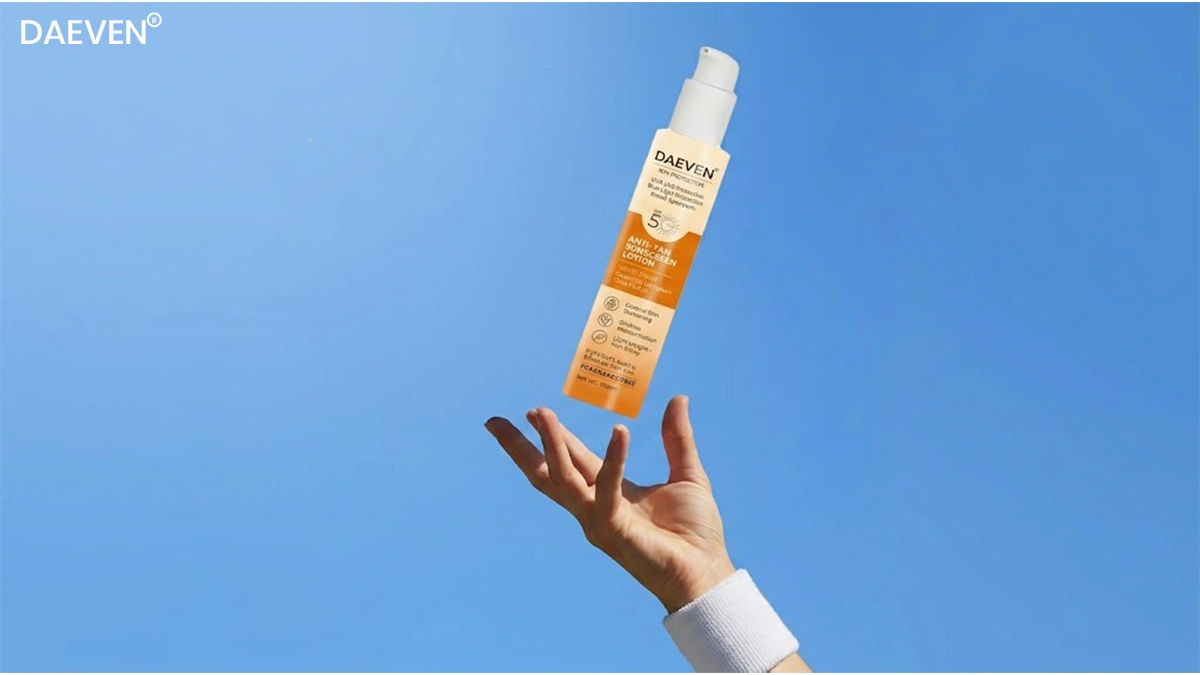
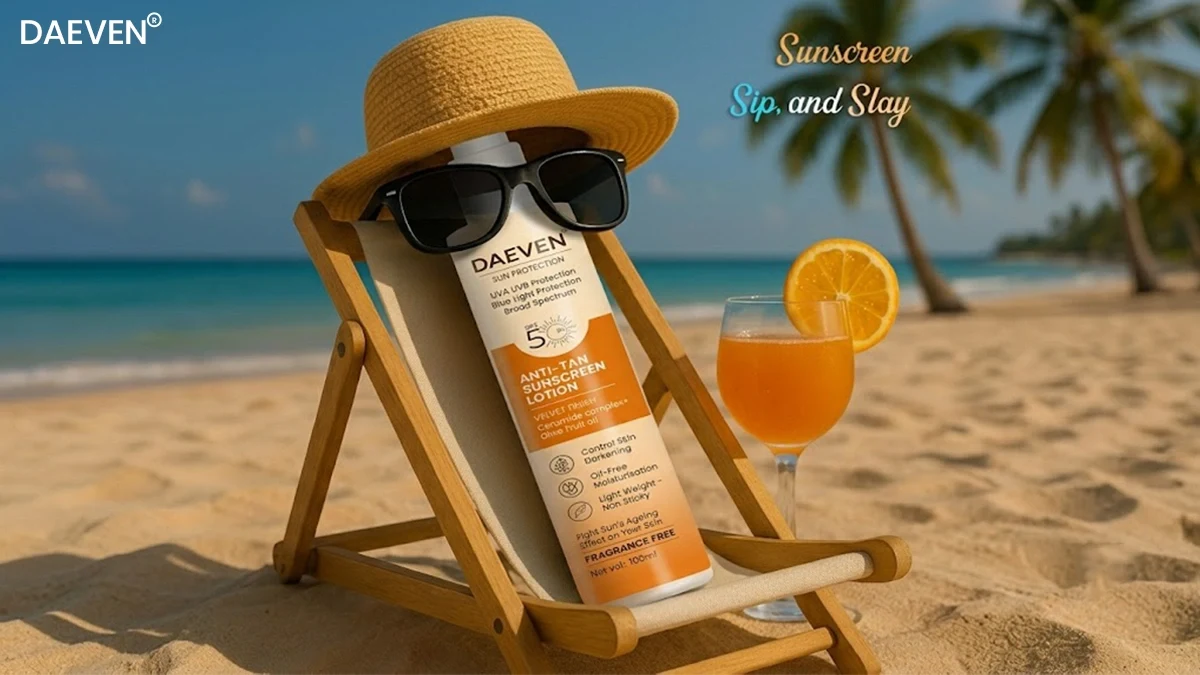
Choose DAEVEN SPF 50 Sunscreen
Safe formulation
High performance
Designed for Indian climate
Explore now and upgrade your sunscreen today.
FAQs
Is chemical-free sunscreen really chemical-free?
No, all products contain chemicals. The term usually means free from harmful ingredients.
Which is the best chemical-free sunscreen in India?
Look for SPF 50, broad-spectrum, and skin-safe formulations.
Is mineral sunscreen better than chemical sunscreen?
Mineral sunscreen is better for sensitive skin, but both types can be effective.
Does chemical sunscreen harm skin?
Not necessarily. Modern formulations are safe when chosen correctly.
What ingredients should I avoid in sunscreen?
Avoid parabens, oxybenzone, and artificial fragrances.
Conclusion: Myth vs Reality — What You Should Remember
The idea of chemical-free sunscreen in India is mostly a marketing myth.
What truly matters is:
- Safety
- Effectiveness
- Daily usability
Instead of chasing labels, focus on choosing a sunscreen that:
- Protects your skin
- Feels comfortable
- Works in Indian weather
Final Takeaway
If you want:
- Safe skincare
- No compromise on comfort
- Real sun protection
Then it’s time to choose wisely.
DAEVEN SPF 50 Sunscreen delivers exactly what Indian skin needs—without the confusion of marketing myths.